Reflections on LSTM Chancellor El Hadj As Sy’s First Public Lecture
- Blog
20 December 2025
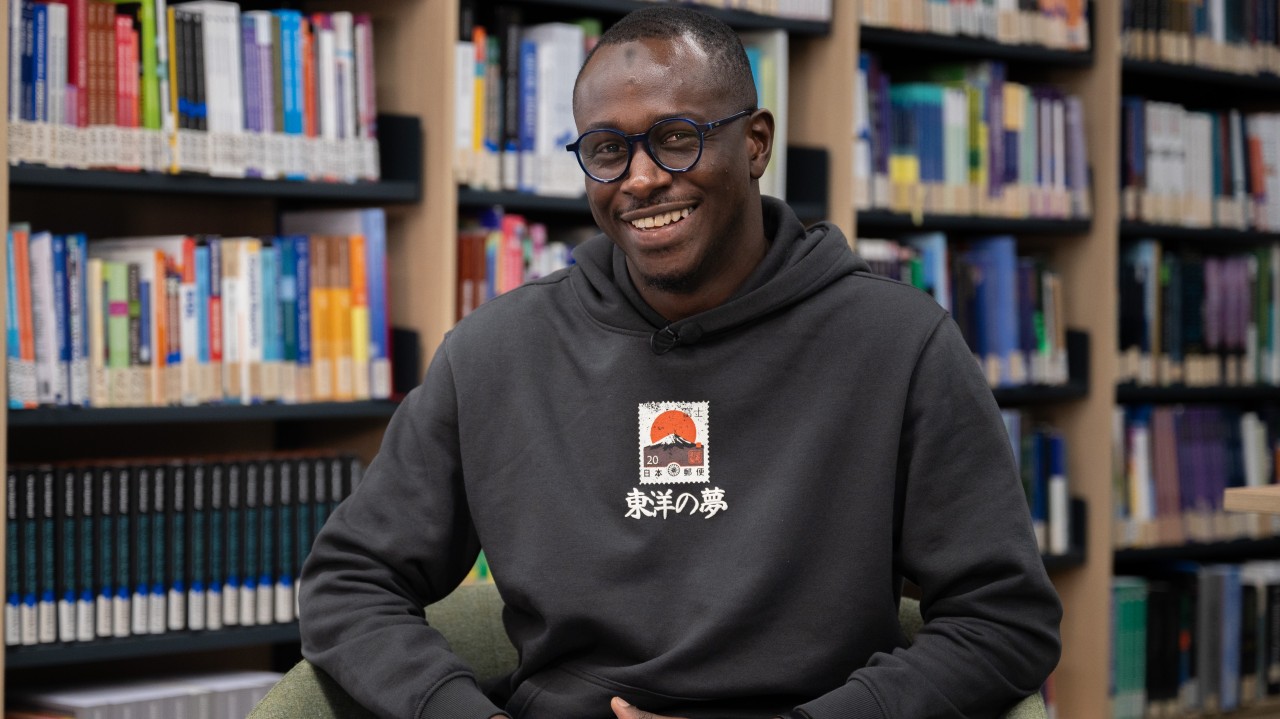
Written by Keba Cire Toure, Student Ambassador, Master Public Health (International).
On the 13th floor of a building overlooking Liverpool’s skyline, students, staff, and guests gathered for what became an emotional and thought-provoking evening. LSTM’s Chancellor, Elhadj As Sy, an internationally respected humanitarian leader and former Secretary General of the IFRC, delivered his first public lecture titled “Working in humanitarian settings: health as a damage; health as a response”.
From the moment he began, the room fell into a sacred silence. The Chancellor opened with stark images of humanitarian crises, scenes familiar to global health practitioners, yet still profoundly unsettling. These images served not simply as reminders of human suffering but as an entry point into a larger truth that framed the entire lecture: people affected by crisis are not only in need of shelter, food, or water; they are crying for dignity, identity, and the restoration of their full physical, mental, and social well-being.
Humanitarian Crisis: A Cry for Health and Dignity
Elhadj As Sy stressed that there is no humanitarian response without health. Displacement strips people of identity, stability, and safety. While humanitarian actors often focus on shelter and WASH interventions, he reminded us that what people truly long for is “home”; a place where they once felt safe. He urged humanitarian workers to remember: “We are not working in normal situations.”
Our role is to care, support, and accompany people as they heal both visible and invisible wounds.
Resilience and the Power of Communities
One of the most inspiring parts of the lecture was his reflection on community resilience. Amid devastation, communities continue to display remarkable courage, solidarity, and hope. He described witnessing “beauty in misery,” “resilience in shocks,” and “dignity in humiliation.” Communities react, respond, support, and care for each other long before any external organization arrives, making them the true first responders. Therefore, humanitarian workers must arrive with humility. Communities are not waiting to be saved; they are already saving each other.
He emphasized the need to respect cultural values, especially around caring for the dead. Resistance to health interventions, he explained, often reflects a failure to understand community perspectives rather than genuine opposition.
“If we cannot care for our dead, how can we care for the living?”
One Health in Humanitarian Settings
The Chancellor reminded us that humans are not the only beings affected by crises. Animals flee disasters too, and when their paths cross with humans, it can increase risks. This interconnectedness, he said, reinforces the One Health approach: human, animal, and environmental health are inseparable.
He paid tribute to LSTM’s long-standing work in snakebite research and antivenom development, urging the institution to continue not only producing knowledge but implementing it where it matters most.
Preparedness and the Lessons of Crisis
Preparedness, he argued, is itself a form of rescue. Strong and structured systems are essential to ensure rapid and effective responses when crises strike. Emergencies expose the weaknesses of health systems and governance structures, reinforcing the importance of investment, planning, and respect for international humanitarian law.
Solidarity Among Humanitarian Workers
Finally, he turned to the emotional burden borne by humanitarian actors: the weight of the stories, images, and losses they carry. He emphasized the importance of building a supportive and compassionate internal community among humanitarian workers, one where people can rely on one another, continue learning, share their vulnerabilities without fear, draw encouragement in moments of doubt, receive support when needed, and celebrate each other’s strengths and successes.
“You will never get used to these horrors, but you don’t have to face them alone.”
A Lecture That Resonated Beyond the Room
Elhadj As Sy’s lecture was not only intellectually rich but deeply human. It challenged us to see humanitarian health not as a technical discipline but as a moral commitment grounded in dignity, humility, and solidarity.
As future public health professionals, his words remind us that crises may break systems, but they also reveal extraordinary resilience. And amid suffering, health remains both the greatest loss and the greatest path toward restoring peace.
Related articles