
News listing page

LSTM News
Explore by type options
Select by theme options
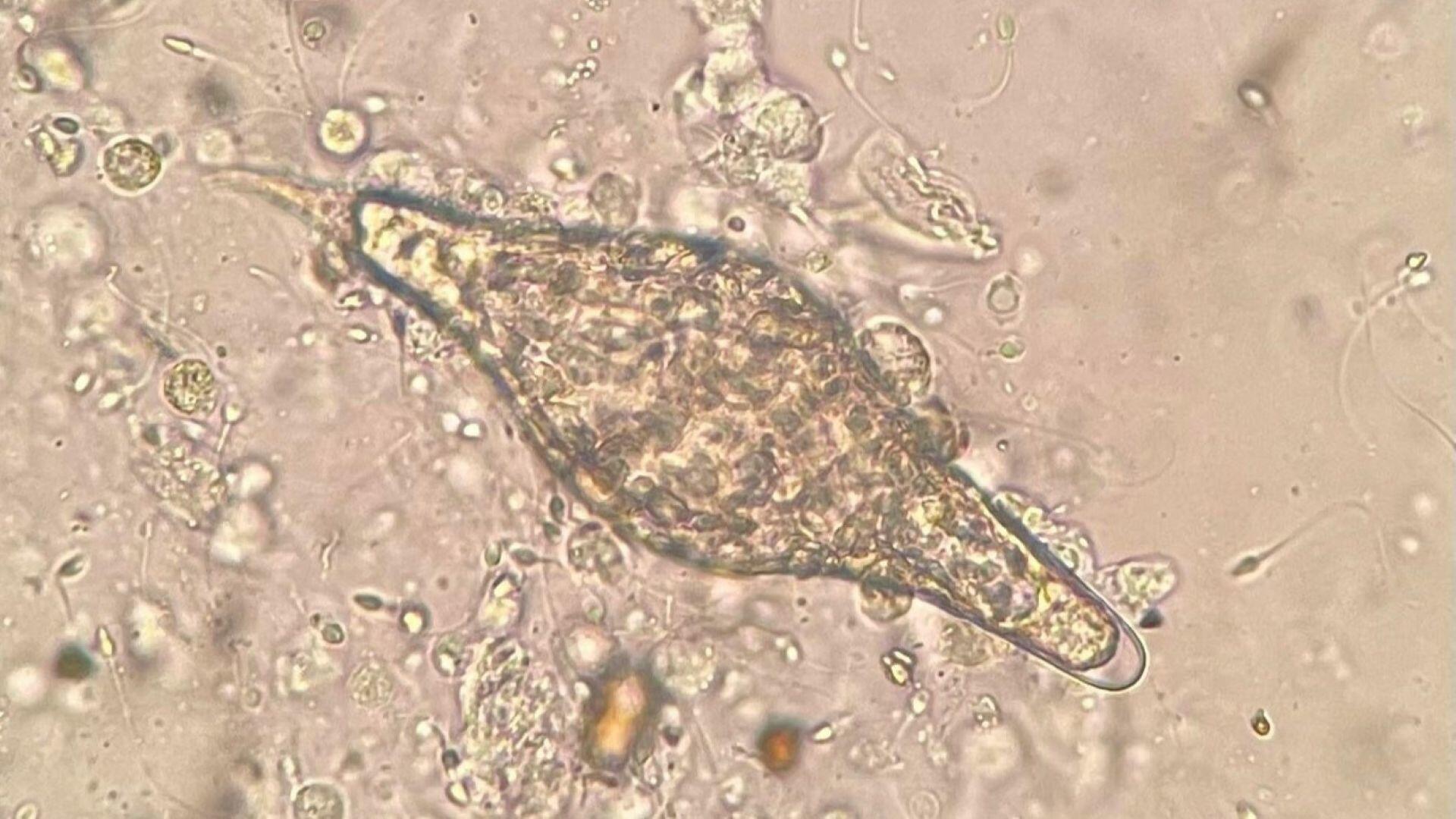
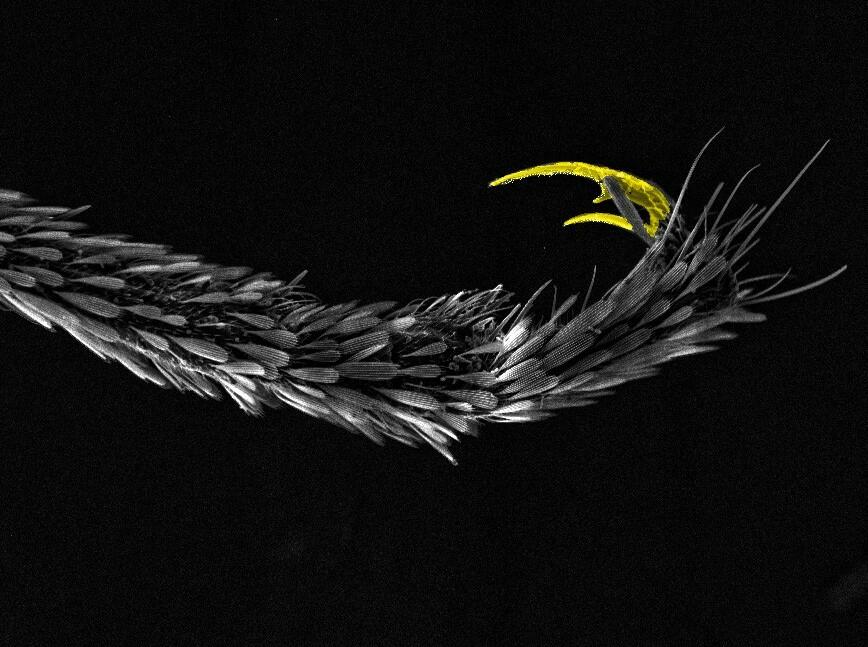
A close-up of a mosquito tarsi (foot)
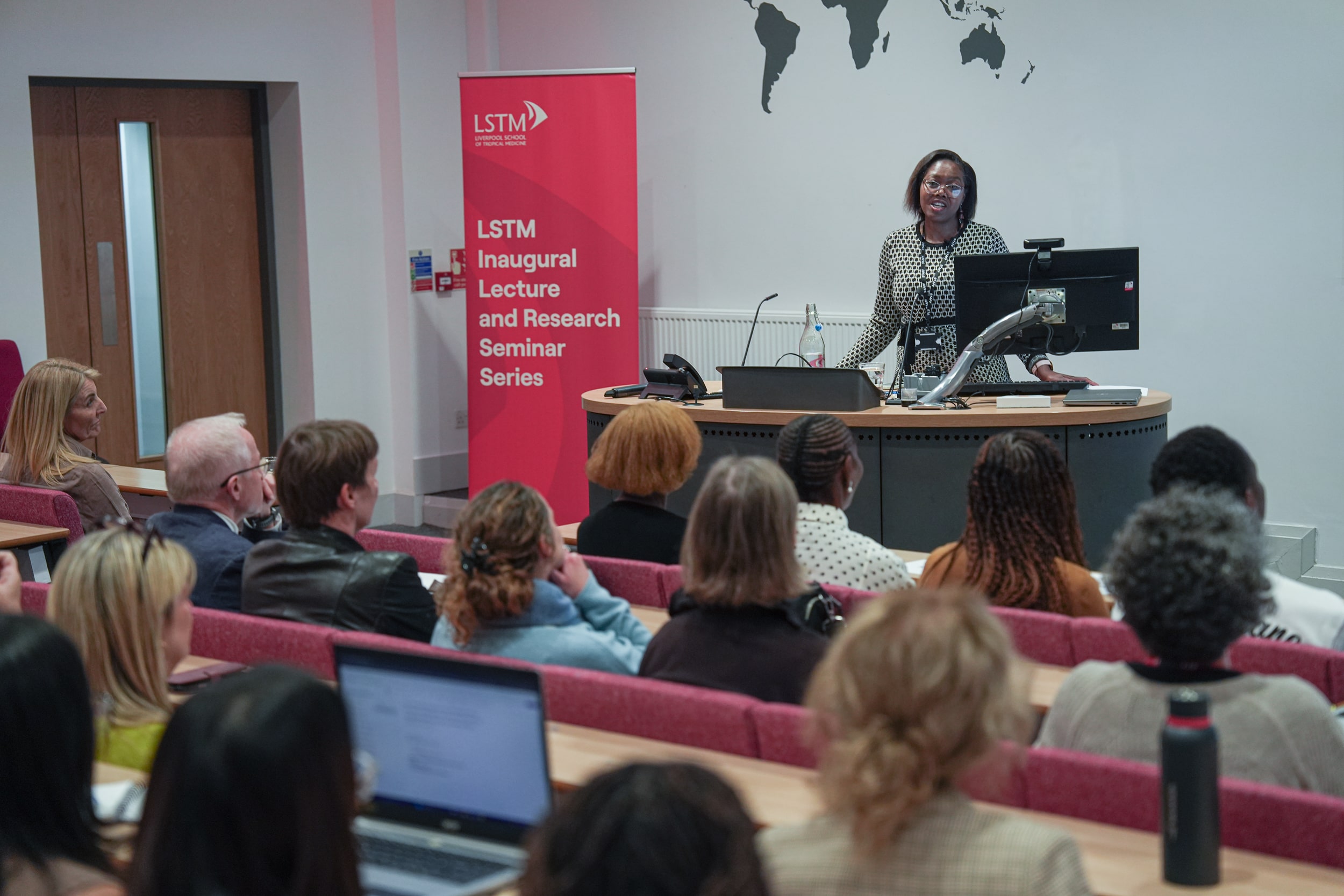
LSTM Chancellor Elhadj As Sy stands at a lectern addressing an audience, with a large screen behind him showing a group photo and the LSTM logo in a modern lecture theatre lit with red accent lighting.
Video Display Button
Video

LSTM Chancellor’s Lecture: Elhadj As Sy

10 December 2025

clock icon

1:09:21

A person with short grey hair, wearing a dark jumper and a long multicoloured scarf, stands in a modern, open-plan interior with soft seating, wooden shelving and bright ceiling lights out of focus in the background.
Video Display Button
Video

LSTM’s vector-borne disease research

4 December 2025

clock icon

1:11

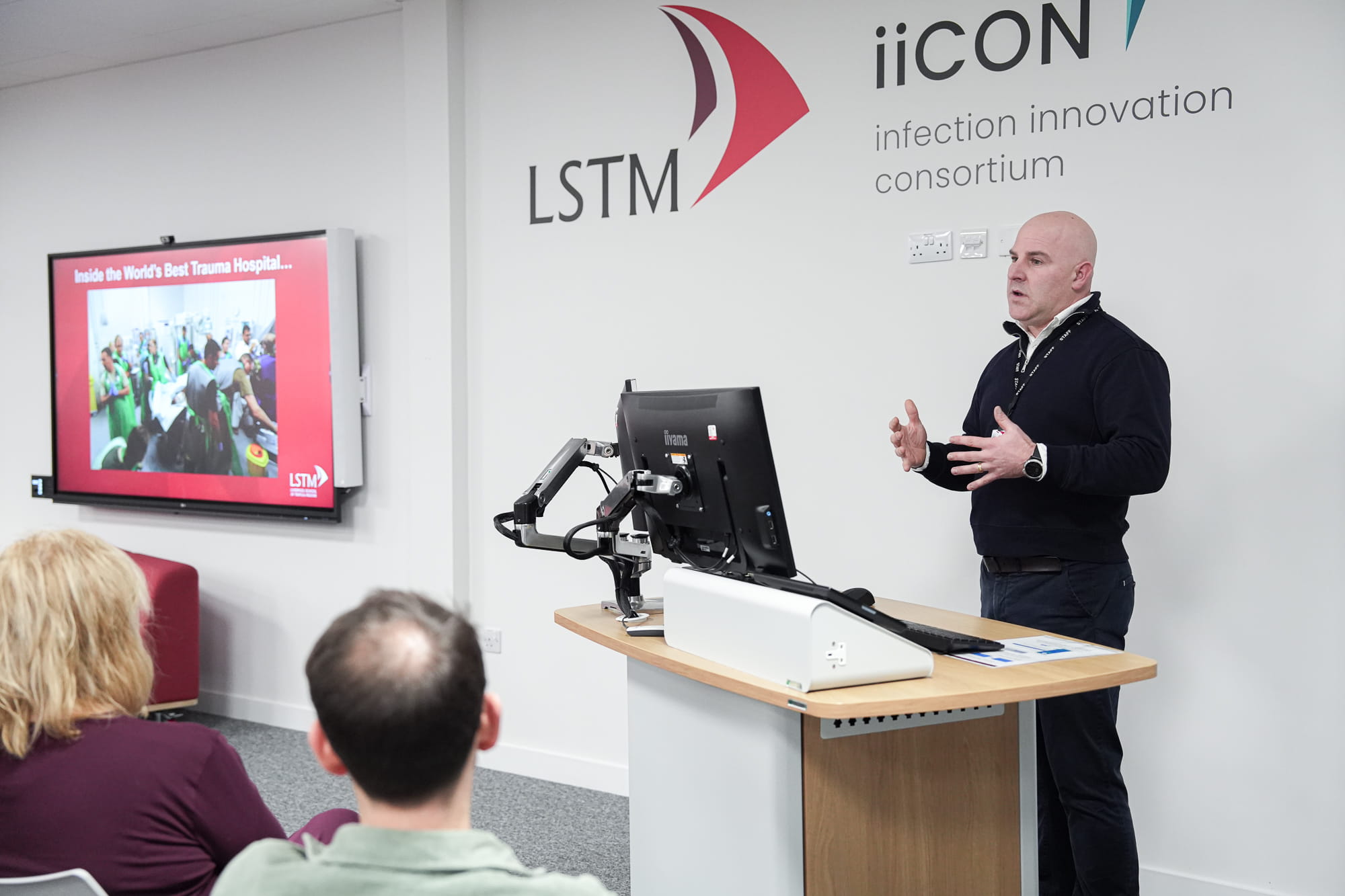
A speaker delivers a lecture at LSTM, standing beside a podium as a slide titled “Inside the World’s Best Trauma Hospital…” is shown on a screen, with the LSTM and iiCON (Infection Innovation Consortium) logos on the wall and audience members in the foreground.
Video Display Button
Video

Looking for audio?

Sign up to receive our newsletter

Our newsletter brings Liverpool School of Tropical Medicine’s high-impact research, inspiring people, latest events, and distinctive culture straight to inboxes around the world.

Upcoming events

LSTM in the media

The Times

The 25 researchers working at the Liverpool snakebite centre, which holds one of the largest collections of tropical venomous snakes in Europe.

Read more at The Times

BBC

The 25 researchers working at the Liverpool snakebite centre, which holds one of the largest collections of tropical venomous snakes in Europe.

Learn more at BBC

The Lancet

Addressing the growing Tuberculosis disease burden in England

View more at The Lancet

New York Times

The 25 researchers working at the Liverpool snakebite centre, which holds one of the largest collections of tropical venomous snakes in Europe.

Learn more at New York Times

Washington Post

The 25 researchers working at the Liverpool snakebite centre, which holds one of the largest collections of tropical venomous snakes in Europe.

View more at Washington Post